
Critical Area Tree Removal on Maryland’s Eastern Shore
If your home sits near the Chesapeake Bay, a river or a tidal creek, your trees are probably in the Critical Area. That means removing one, even a dead tree, usually needs approval and replanting before any cutting starts. Economy Tree Service does this work across Queen Anne’s, Talbot, Kent and Caroline Counties. Our work is led by a Maryland Licensed Tree Expert (LTE# 1929), so we can assess your trees, prepare the documentation the county or town asks for, and handle the removal and replanting the right way.
Here’s How It Works
Call for a free on-site visit. We look at your trees, check how far they are from the water, and tell you which rules apply to your property.
We prepare what the county or town asks for, such as a licensed tree expert letter, a simple site sketch and a replanting plan, and help you get it submitted.
Once approved, we remove the trees safely, protect the shoreline, clean up, and plant the native replacement trees the approval requires.
What Is the Chesapeake Bay Critical Area?
The Critical Area is all land within 1,000 feet of tidal water or tidal wetlands around the Chesapeake Bay and its rivers and creeks. Maryland created it to protect water quality and shoreline habitat, and each county, along with many towns, enforces it through its own program.
The first 100 feet from the shoreline is the buffer. It gets the most protection, and it can be wider on steep slopes and wet or easily eroded soils. In the buffer, cutting trees or brush generally needs an approved Buffer Management Plan, even when the tree is dead, dying or hazardous. Clearing just to open up a water view is generally not allowed.
Outside the buffer but still in the Critical Area, removals usually need local approval and replanting so the property keeps its tree cover. Larger clearing comes with limits and higher replanting requirements. Routine pruning that keeps most of the canopy is usually much simpler.
Dead, Leaning or Storm-Damaged Waterfront Trees
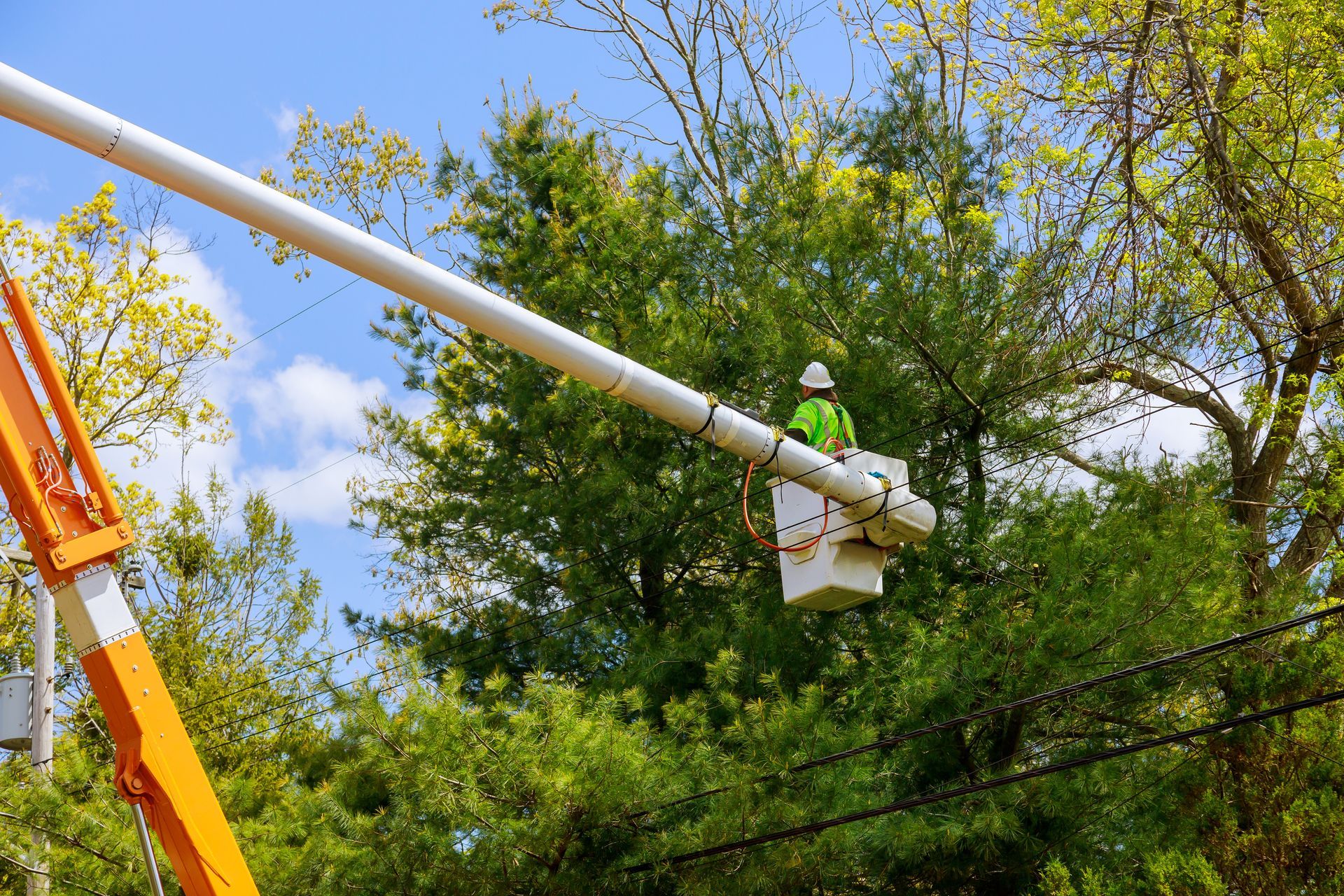
Waterfront trees take the worst of Bay storms, high tides and salt, and a tree leaning over the water can fail without warning. When a tree is an immediate threat to your home, the county can allow faster removal with prior approval, and we can help you make that case quickly. Dead trees in the buffer can usually come out with a simple plan and native replanting or groundcover. If a tree is down or about to fall near the water, call 410-827-5198 any time. We answer 24/7.
What the rules usually ask for:
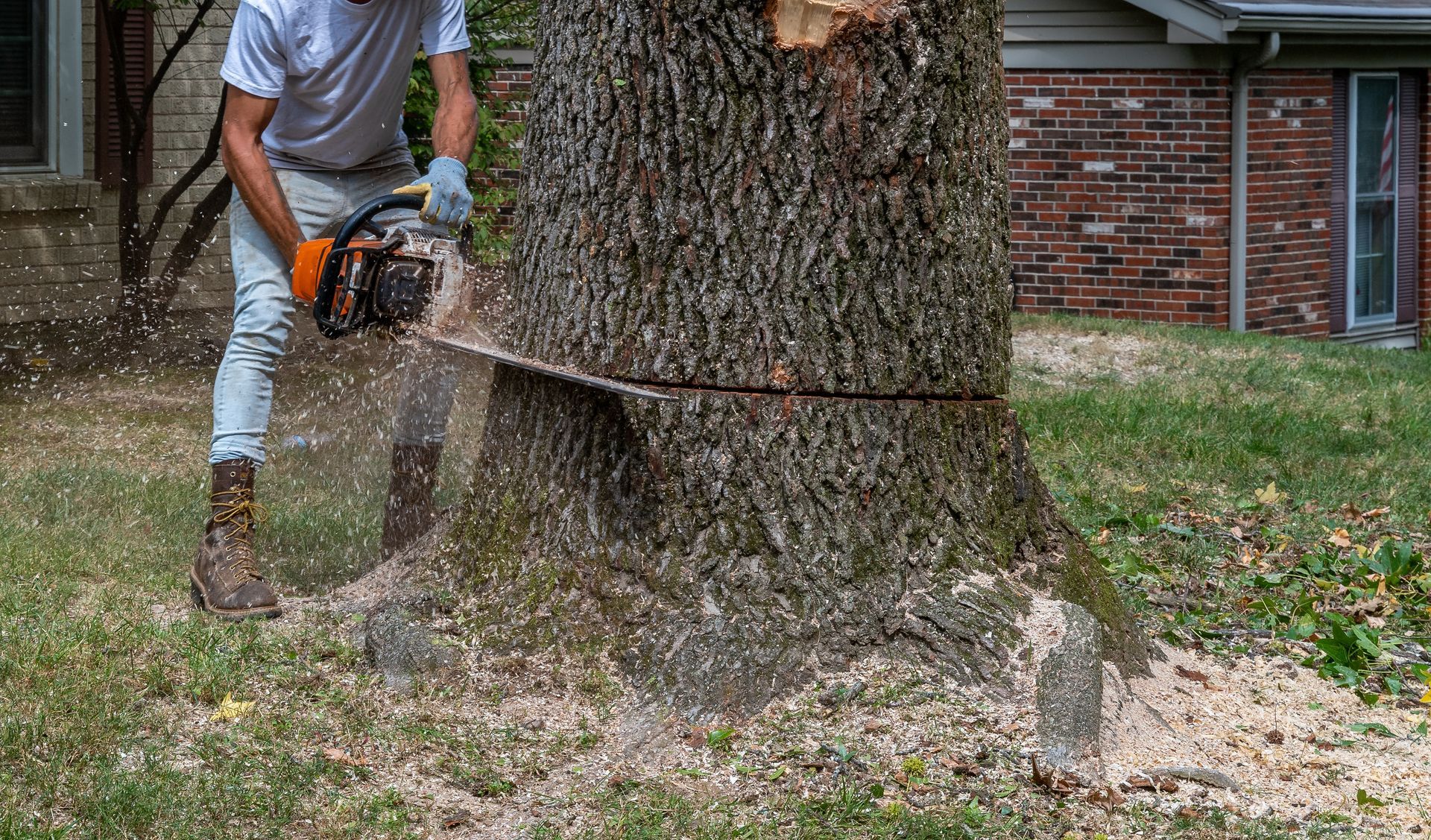
Approval before cutting. In the Critical Area, a permit or approved plan comes before the saw. Removing trees first can bring a citation and much higher replanting requirements, often several new trees for every one removed.
Native replacement trees. Removals in the buffer are usually replaced with native trees, often one for one for a dead, diseased or hazardous tree. Willow oak, red maple, black gum and eastern red cedar are common choices.
A licensed tree expert’s opinion. When a tree’s health is unclear, the inspector may ask for a letter from a Maryland Licensed Tree Expert explaining why it should come down. Our license, LTE# 1929, covers that.
Stumps left in the bank. For trees leaning over the water, the rules often allow cutting the trunk but require the stump and roots to stay in place to hold the shoreline. We cut these the right way.
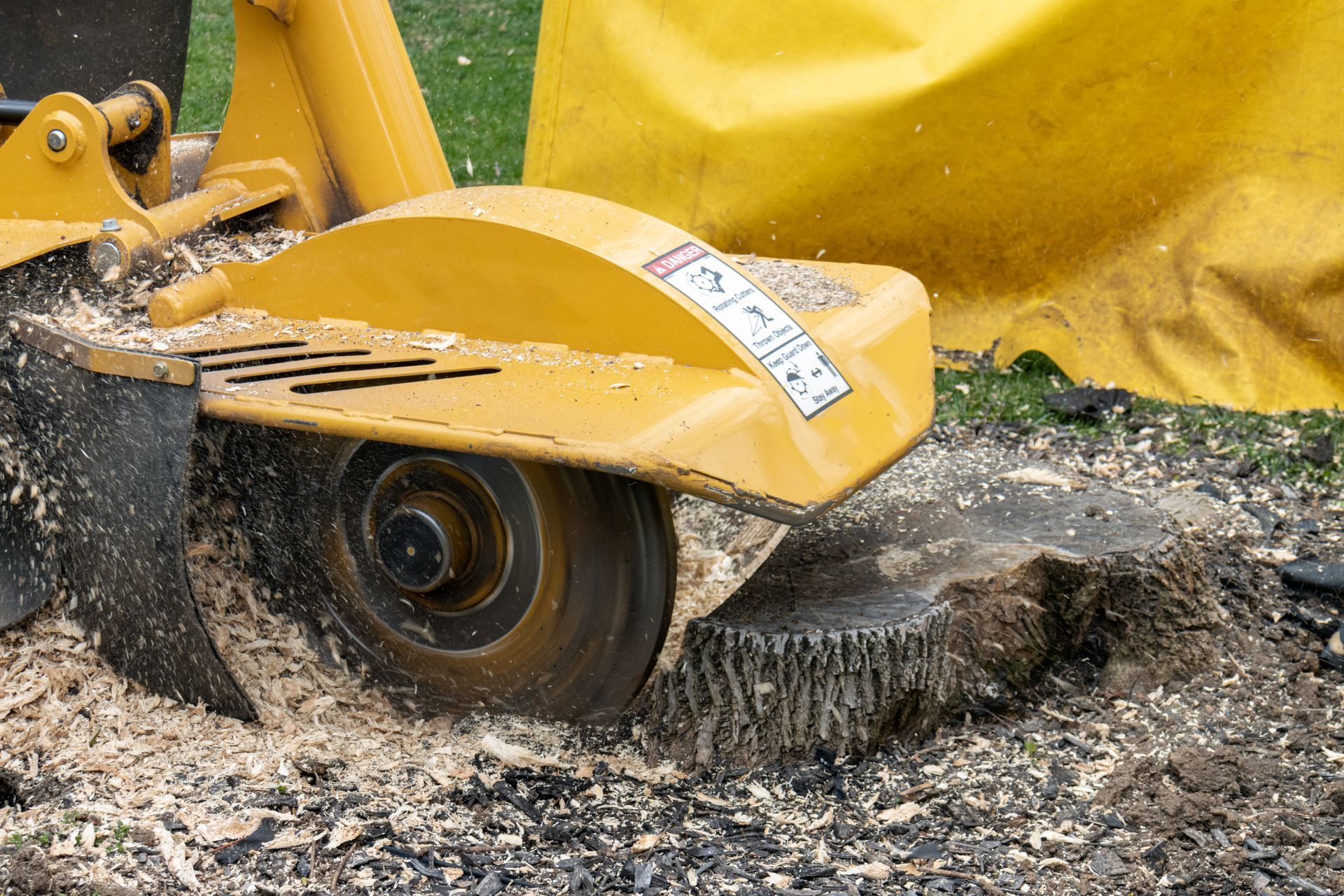
Along with Critical Area work, we provide tree removal, trimming and pruning, stump grinding outside the buffer, storm damage cleanup and Marsh Master phragmite control for shorelines and ponds. We are permitted to move and sell wood under Maryland rules. Request a free assessment for your waterfront trees.
Critical Area Tree Work by County
Rules differ by county and town, so see our local pages: Queen Anne’s County(including Kent Island and Grasonville), Talbot County(including St. Michaels, Oxford and Tilghman Island), Kent County(including Chestertown and Rock Hall) and Caroline County(including Denton and Federalsburg). Inside incorporated towns such as Centreville, Queenstown, Easton, St. Michaels, Oxford, Chestertown, Rock Hall, Denton and Federalsburg, the town may run its own program.
Critical Area Tree Removal FAQ
How do I know if my property is in the Critical Area?
If any part of your lot is within 1,000 feet of tidal water or tidal wetlands, it probably is. Each county publishes Critical Area maps, and we check your property during the free visit before any work is planned.
Can I remove a dead tree near the water without a permit?
Usually not in the buffer. Dead trees can generally be removed, but an approved plan typically comes first, and the spot is stabilized with native plants. A tree that is an immediate threat can sometimes be handled faster with prior approval.
Can I cut trees to get a better water view?
Clearing healthy trees in the buffer just for a view is generally not allowed. Careful pruning that keeps most of the canopy is often the better option. We can show you what is realistic for your shoreline.
How many trees will I have to replant?
It depends on the county, where the tree stands and why it is coming out. Dead trees may need only native groundcover, while live trees in the buffer often need one or more replacements. We explain the likely requirement before you commit.